You just sprayed — or are about to spray — fresh paint on a vehicle. Maybe it’s a full respray, maybe it’s a color-matched panel repair. Either way, that paint is an investment of time, money, and patience, and the last thing you want is UV oxidation, water spots, or swirl marks eating into your clearcoat six months from now. Two categories of products sit between your paint and the elements: traditional wax (a soft paste or liquid made from carnauba palm wax or synthetic polymers, applied by hand and buffed off) and ceramic spray sealants (liquid silica-dioxide — SiO₂ — compounds that bond chemically to the clearcoat and cure into a thin protective layer). This article is for painters and enthusiasts who’ve already got some respray or refinishing experience and are now deciding which protectant to reach for — and how to think about the tradeoff between upfront ease, durability, and cost over a full protection lifecycle.
If you’re a first-time visitor who just painted a panel and want to know what to put on it: wax is the easy starting point, ceramic sealant is the upgrade that pays off over time. Let’s break down exactly where the line sits.
The Core Difference: How Each Product Bonds to Your Clearcoat
This is where the decision actually starts. The bonding mechanism determines everything downstream — how long protection lasts, what removes it, and what application process you have to execute correctly.
Traditional wax sits on top of the clearcoat. It fills microscopic surface scratches, adds gloss, and creates a hydrophobic (water-repelling) barrier. But it does not form a chemical bond with the paint substrate. UV exposure, detergent washing, and heat all degrade the wax layer steadily. Carnauba-based waxes — the premium tier, sourced from Brazilian palm leaves — offer a warm, deep gloss that synthetic polymer waxes can’t fully replicate visually. The tradeoff: genuine high-carnauba content waxes typically deliver 4–12 weeks of protection depending on climate and wash frequency, according to Consumer Reports’ 2025 annual car wax and paint sealant ratings.
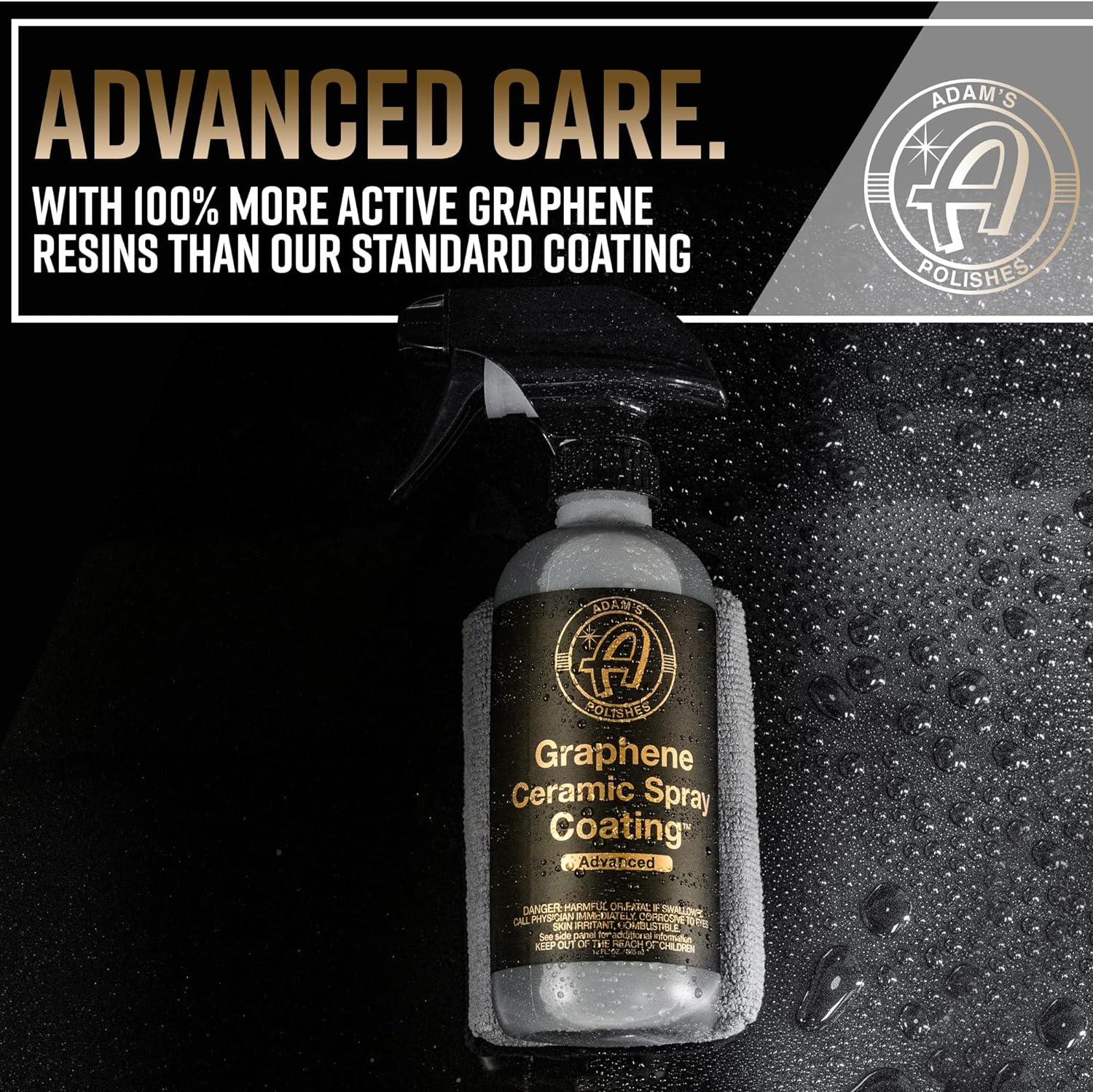
Ceramic spray sealants (sometimes called “spray ceramic coatings” to distinguish them from professional-grade 9H ceramic coatings, which are a different, thicker product requiring trained application) work differently. The SiO₂ particles in the formula chemically bond to the clearcoat’s silanol groups during curing. Once cured — typically 24–72 hours at ambient temperature — the layer is harder, more chemically resistant, and significantly more durable than wax. Motor Trend’s 2024 feature on spray ceramic performance found that reputable spray ceramic products from brands including Gyeon, Adam’s Polishes, and Chemical Guys routinely achieve 6–12 months of protection, with some owner-reported results reaching 18 months in mild climates.
The practical implication: wax requires re-application roughly every 1–3 months. A ceramic spray sealant, applied correctly once, covers the same timeframe at a fraction of the ongoing labor.
Protection by Tier: Budget, Mid-Range, and Premium
Not every vehicle and not every project budget lands in the same place. The right product tier depends on the investment level of the respray, how the vehicle is used, and who is doing the maintenance application. Here is how the three tiers stack up.
Budget Tier — Polymer Paste or Liquid Wax
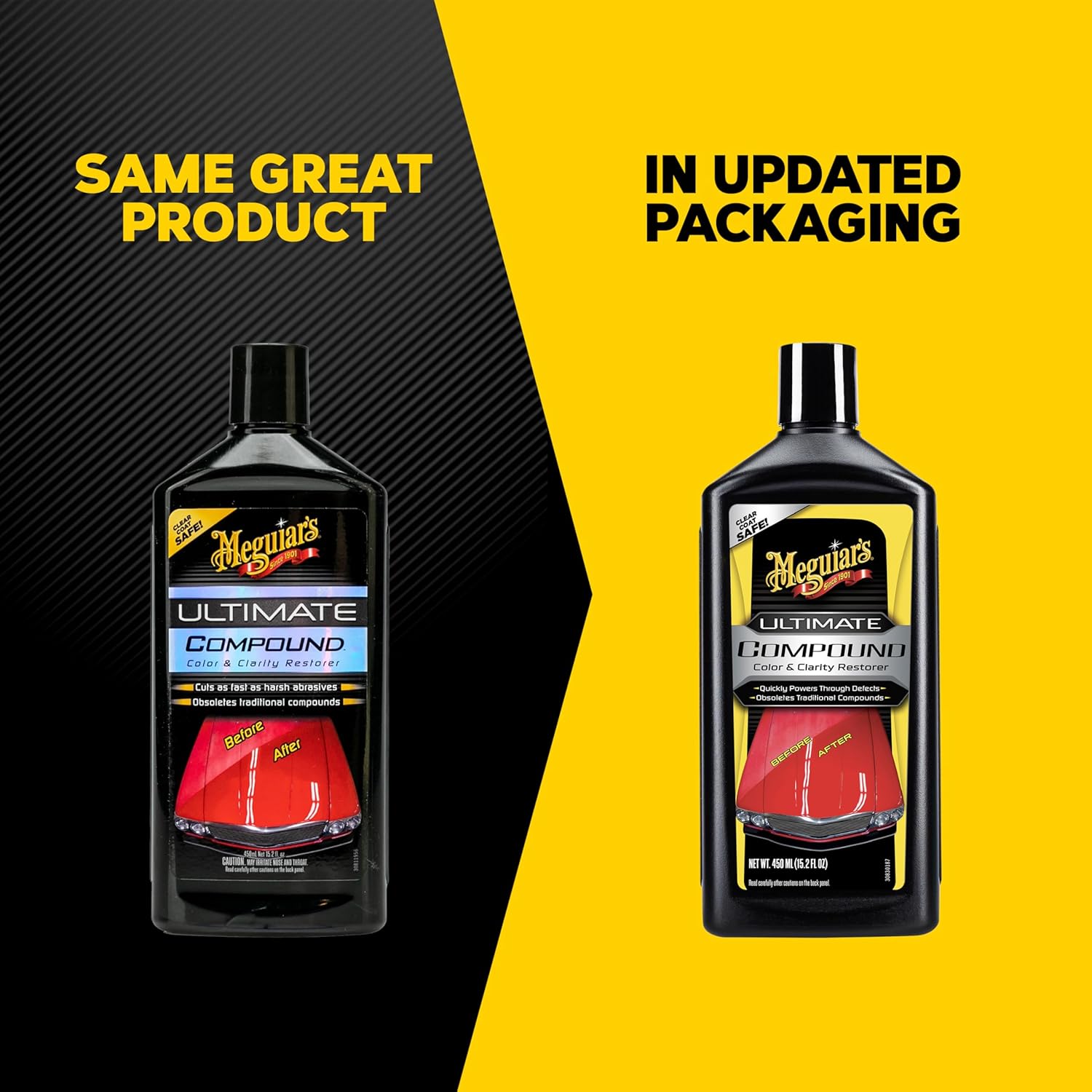
For daily driver repairs at the economy end — a single color-matched door, a hood respray on a high-mileage commuter — a quality synthetic polymer wax is a sound, defensible choice. Products in this range typically cost $8–$20. Protection runs 6–10 weeks under normal washing and UV exposure. Application is forgiving: wax can be applied in partial sun, left to haze, and buffed without timing pressure.
Where polymer wax underperforms: it offers no hardness rating against light abrasion, and carnauba blends in this tier degrade noticeably faster in high-UV climates, a pattern documented in Consumer Reports’ 2025 surface protection ratings. For a customer who will not maintain a regular application schedule, the protection window is effectively shorter than the spec sheet suggests.
Meguiar's
$13.97
In stock on Amazon
Check price on AmazonMid-Tier — Ceramic Spray Sealant (Consumer Grade)
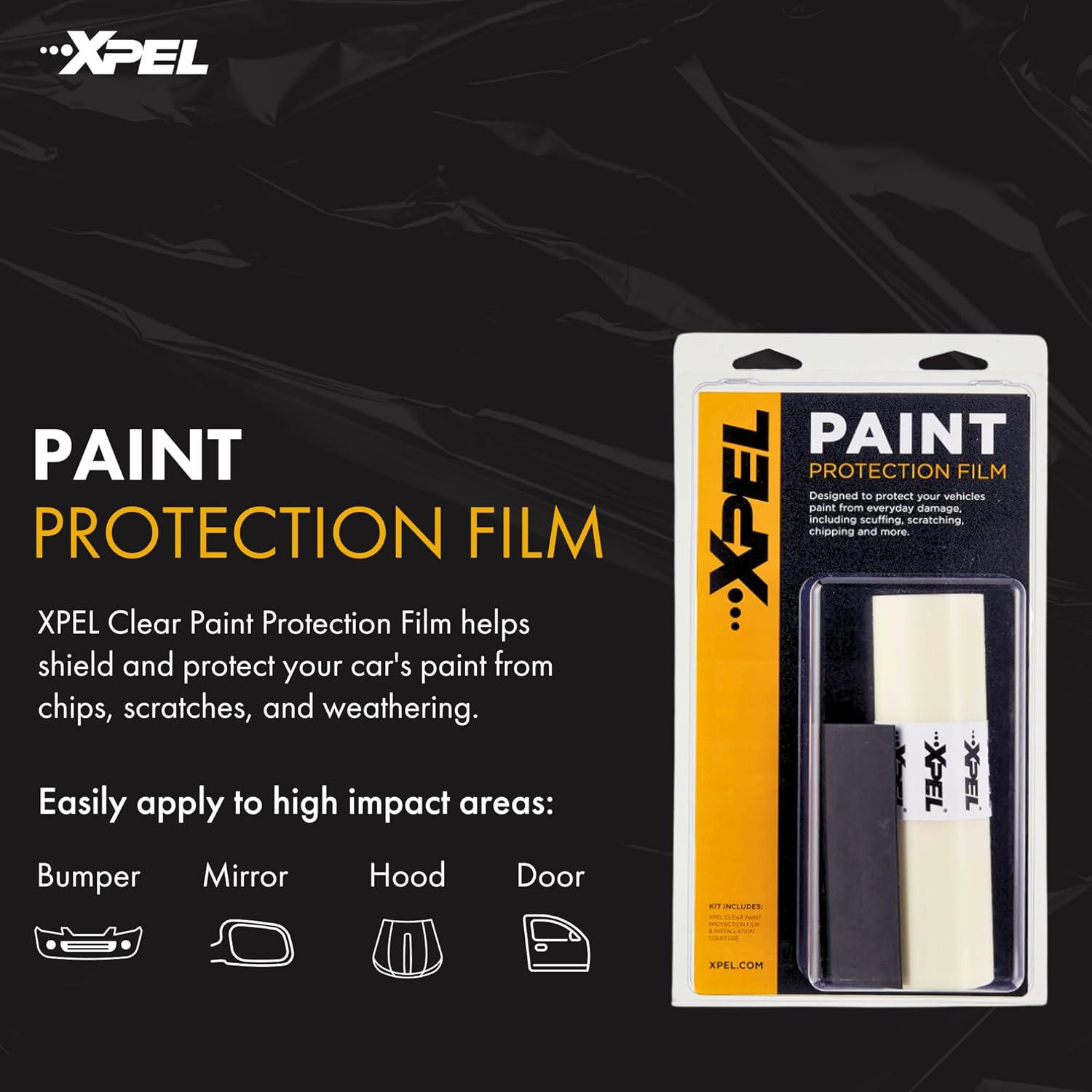
This is the tier that represents the best cost-per-month value for most respray projects. Consumer-grade ceramic spray sealants — from brands such as Gyeon Quartz CanCoat, Chemical Guys HydroSlick, and Adam’s Polishes Ceramic Spray — typically cost $25–$55 and are rated for 6–12 months of protection when applied correctly to a properly prepped surface. Car and Driver’s 2025 ceramic coating buyer’s guide identifies this category as the practical sweet spot for enthusiast-level users: lower annual cost than wax when calculated over a full year, significantly lower time investment, and meaningfully better UV and chemical resistance.
The catch is application sensitivity, covered in detail below. This tier rewards methodical prep. It punishes shortcuts.
XPEL
$20.32
In stock on Amazon
Check price on AmazonPremium Tier — Professional 9H Ceramic Coating
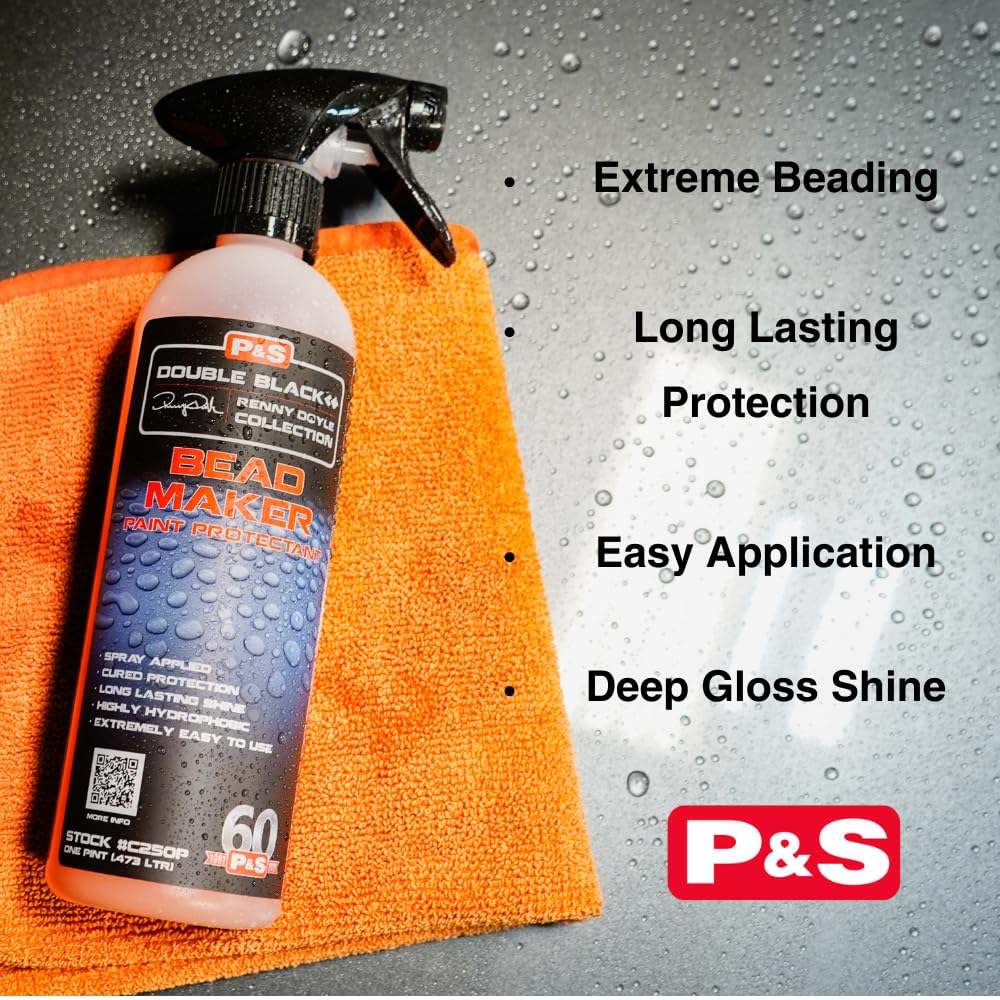
Professional-grade ceramic coatings — applied by trained installers using products such as Gtechniq Crystal Serum, Ceramic Pro 9H, or equivalent — are a categorically different product from consumer spray sealants. Film thickness is greater, hardness ratings reach 9H, and protection warranties from certified installers commonly cover two to five years. Installation cost ranges from $500 to $2,500 or more depending on vehicle size, paint correction required, and installer certification level.
For a show car, a completed custom build, or a high-investment full respray where the owner wants maximum protection with minimal recurring maintenance, the professional tier is the right recommendation. Motor Trend’s 2024 spray ceramic analysis explicitly distinguishes consumer spray sealants from this category and notes that professional 9H products should not be self-applied without training — surface prep errors at this tier are expensive to correct.
P&S
$32.79
In stock on Amazon
Check price on AmazonFresh Paint Compatibility: The Window That Changes Everything
This is the detail that most buying guides skip, and it’s the one that matters most to anyone reading a site like this.
Fresh paint — whether waterborne basecoat under a urethane clear or a single-stage urethane system — needs time to fully cure before you apply any protectant. The clearcoat continues off-gassing solvents (a process called outgassing) for days to weeks depending on temperature, film build, and product chemistry. Applying wax or a ceramic sealant too early traps those solvents and can cause hazing, adhesion failure, or a finish that never fully hardens correctly.
I-CAR’s 2024 technical bulletin on refinish substrate protection and surface preservation recommends a minimum 30-day wait before applying any wax or polymer sealant to freshly sprayed OEM-style urethane clears. The bulletin also notes that the outgassing concern is amplified with ceramic spray sealants — because the SiO₂ layer forms a more gas-impermeable barrier than wax, trapping solvents more aggressively if applied prematurely.
Auto Body News’ 2024 review of waterborne basecoat compatibility with post-cure protectants confirmed that waterborne systems — including PPG Envirobase, BASF Glasurit, and Axalta Cromax Pro — generally outgas faster than solvent-borne systems, often clearing the safe-application window sooner. Even so, the publication noted that a 30–60 day wait before ceramic application remains the conservative standard most refinish professionals follow.
The practitioner takeaway: If a customer’s car is leaving your booth in the next two weeks, hand them wax. Put the ceramic conversation on the calendar for the 30-day follow-up, or better, the 60-day mark. The durability gain from ceramic is meaningless if the application window is wrong.
Cost-Per-Protection-Month: The Math That Closes the Decision
This is the number practitioners rarely run but should always have ready — especially when a customer is balking at the price difference between a $12 paste wax and a $45 ceramic spray.
Wax scenario: $25 carnauba/polymer paste wax, applied every 8 weeks (six applications per year).
- Annual product cost: $150
- Annual application time at 90 minutes per application: 9 hours
- Cost per protected month: approximately $12.50
Ceramic spray sealant scenario: $45 ceramic spray, applied every 12 months with one optional mid-year maintenance spray at $25.
- Annual product cost: $45–$70
- Annual application time — 45 minutes initial, 20 minutes refresh: approximately 65 minutes total
- Cost per protected month: approximately $4.60–$5.80
This cost structure is consistent with what Car and Driver’s 2025 ceramic coating buyer’s guide identifies as the core value proposition of spray ceramics for enthusiast-level users: lower annual cost, substantially lower time investment, and better protection metrics — at the cost of a higher initial purchase price and a more sensitive application process.
Where wax still wins on cost: Touch-up situations. For a single repainted door panel going back on a daily driver — where the customer isn’t going to maintain a full ceramic regimen — a paste wax is entirely appropriate. Matching protection investment to project scope is exactly the kind of judgment that separates a practitioner from someone just pushing product.
Application Realities: Where Ceramic Spray Sealants Punish Mistakes
The durability gap between wax and ceramic spray sealants in real-world results is smaller than spec sheets suggest — not because the chemistry is wrong, but because ceramic sealants are more sensitive to application errors.
Surface prep is non-negotiable. Wax applied over a slightly oily or contaminated surface will underperform but still look acceptable. A ceramic spray sealant applied to a contaminated surface may bond unevenly, produce high spots that require polishing to remove, or simply fail to adhere. The standard prep sequence before any ceramic application:
- Wash with a pH-neutral shampoo — removes surface contamination
- Clay bar the panel — removes embedded rail dust, industrial fallout, overspray
- Polish if needed — any swirl marks or scratches below the ceramic layer are permanent, because the coating locks the surface as-is
- Panel wipe with an IPA (isopropyl alcohol) solution — removes polishing oils that would prevent chemical bonding
Skip step four and many ceramic formulas will not cure correctly. This is the step owners most commonly miss, and it is why aggregated review patterns for products like Gyeon Quartz CanCoat and Chemical Guys HydroSlick consistently show a tail of low-rated reviews from users who prepped incorrectly — not from product failure.
Flash time management. Most ceramic spray sealants have a narrow application window: apply, let flash for 30–90 seconds (product-specific — always check your formula), then level with a clean microfiber. Apply in too-large sections, let it flash too long, or work in direct sun with panel temps above 90°F, and you will create high spots that require a DA polisher to remove. Wax is forgiving here — you can apply it in the sun, let it dry, and buff it off without timing pressure.
Motor Trend’s 2024 spray ceramic analysis found that user error, not product failure, accounted for the majority of reported durability disappointments in consumer-grade ceramic sprays. That finding is the single most useful context to share with a customer who is self-applying for the first time.
Making the Call
If the paint is less than 30 days old: Use wax. Schedule the ceramic conversation for the 60-day mark. No exceptions.
If this is a show car, a completed custom build, or a high-investment respray: Go ceramic spray sealant at minimum — or step up to a professional 9H ceramic coating applied by a trained installer for multi-year protection.
If this is a daily driver respray at a mid-range budget: Ceramic spray sealant is the smart call. The annual cost math is clearly in its favor, and the time savings compound across a full year of maintenance.
If the vehicle lives in a high-UV environment — Southwest US, Florida summers: Ceramic spray sealant’s UV-resistance advantage is most pronounced here. Consumer Reports’ 2025 wax and paint sealant ratings noted that carnauba waxes degraded measurably faster in high-UV test scenarios, while SiO₂-based sealants maintained hydrophobic performance significantly longer under the same conditions.
If budget is the genuine constraint: A quality polymer wax applied correctly every 10–12 weeks is not a failure. It is a sound, economical choice. Run the cost-per-month math with your customer before framing it as a budget move — sometimes they will upgrade themselves once the numbers are visible.
The protection you put on top of a respray is the last line of defense for work that took real hours to execute correctly. Getting this call right isn’t about upselling — it’s about making sure the finish holds up long enough to be worth the effort. Respect the cure window, prep the surface like the ceramic product is watching, and match the protection tier to the investment the project actually represents.